
Judul : Optimizing Avian Breeding Success: The Critical Role of a Specialist Veterinarian
link : Optimizing Avian Breeding Success: The Critical Role of a Specialist Veterinarian
Optimizing Avian Breeding Success: The Critical Role of a Specialist Veterinarian
Ensuring the health and vitality of a bird breeding program demands a level of veterinary expertise that extends far beyond general pet care. Selecting a specialized avian veterinarian is not merely beneficial; it is a fundamental requirement for maximizing reproductive success, preventing disease outbreaks, and maintaining the genetic integrity of your flock. This guide outlines the critical considerations for partnering with the right expert to safeguard your valuable avian investment.

The Distinctive Requirements of Avian Breeding Health
Avian physiology presents unique challenges, particularly within a breeding context. Birds possess a rapid metabolism, delicate respiratory systems, and highly specialized reproductive anatomies that differ significantly from mammals. A general veterinary practitioner, while skilled in broader animal care, may lack the in-depth knowledge of avian-specific diseases, nutritional requirements for egg production, incubation challenges, or the subtle signs of illness in breeding birds that can quickly escalate into flock-wide issues.
Breeding environments themselves introduce specific health risks, including stress factors, pathogen transmission, and the need for meticulous biosecurity protocols. A specialist understands how environmental stressors, diet deficiencies, or even subclinical infections can severely impact fertility, egg viability, and chick development. Their expertise extends to understanding species-specific breeding behaviors and the delicate balance required to encourage successful reproduction while mitigating health risks.
Identifying the Right Avian Specialist: Credentials and Practical Experience
When seeking a veterinarian for your breeding program, specific qualifications and experience are paramount. The ideal candidate will possess advanced training and a demonstrated focus on avian medicine.
Key Credentials to Prioritize:
- Board Certification: Look for veterinarians certified by organizations such as the American Board of Veterinary Practitioners (ABVP) in Avian Practice. This certification signifies a rigorous examination process and extensive experience dedicated to avian medicine.
- Specialized Training: Beyond board certification, inquire about specific postgraduate training, internships, or residencies focused on avian species, particularly those relevant to your breeding stock.
- Published Work or Presentations: Engagement in avian research or presenting at ornithological or veterinary conferences often indicates a deep commitment to the field and current knowledge.
Evaluating Practical Experience and Facility Capabilities:
Experience with breeding programs, rather than just individual pet birds, is a crucial differentiator. A veterinarian accustomed to flock health management understands the dynamics of disease transmission within a group, the impact of interventions on population genetics, and the economic considerations of a breeding operation.
The veterinary facility itself should be equipped with specialized tools for avian diagnostics and treatment. This includes:
- Advanced imaging (digital radiography, ultrasound tailored for small patients).
- In-house laboratory capabilities for rapid blood work, microbiology, and parasitology specific to birds.
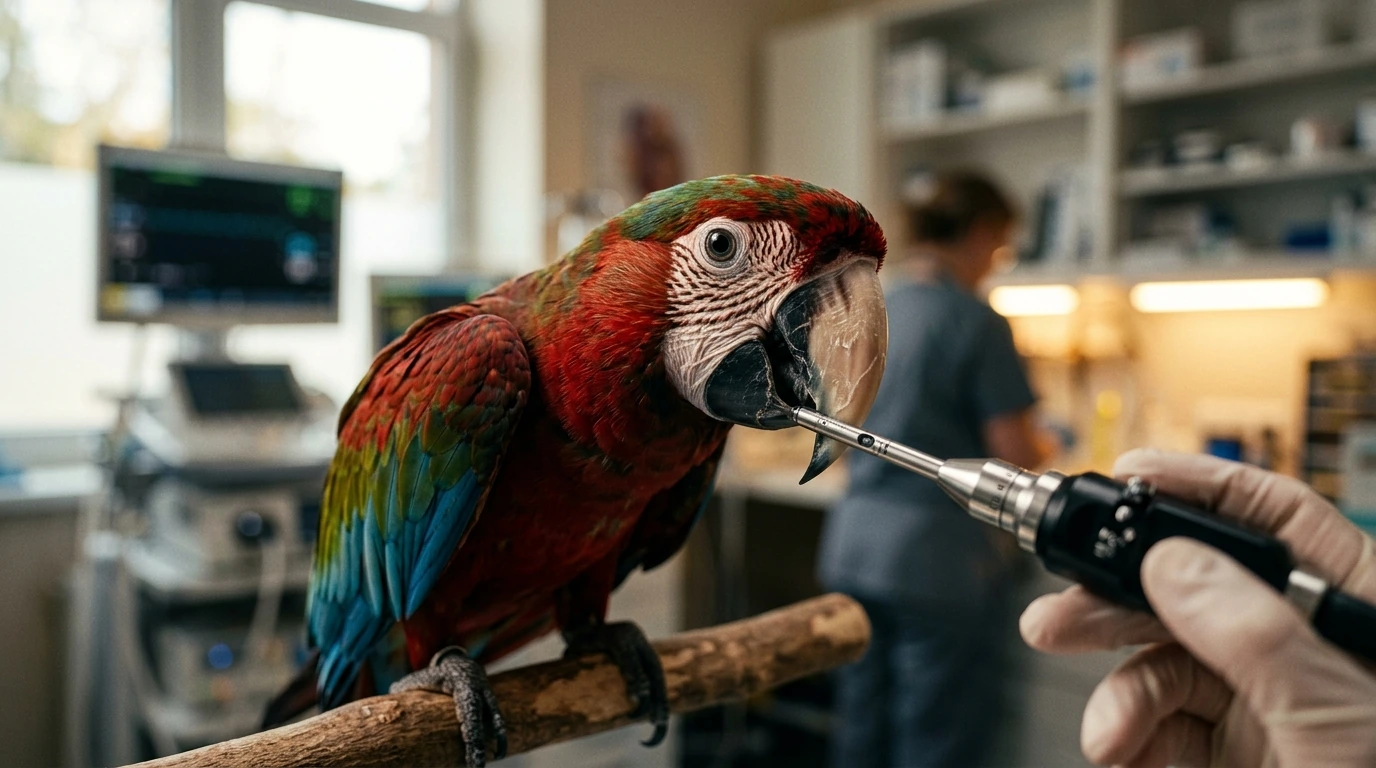
- Endoscopy equipment for minimally invasive internal examinations.
- Specialized surgical tools and anesthetic protocols for avian patients.
- Dedicated isolation units for managing infectious diseases without compromising the main facility.
Beyond Clinical Skills: The Partnership for Proactive Management
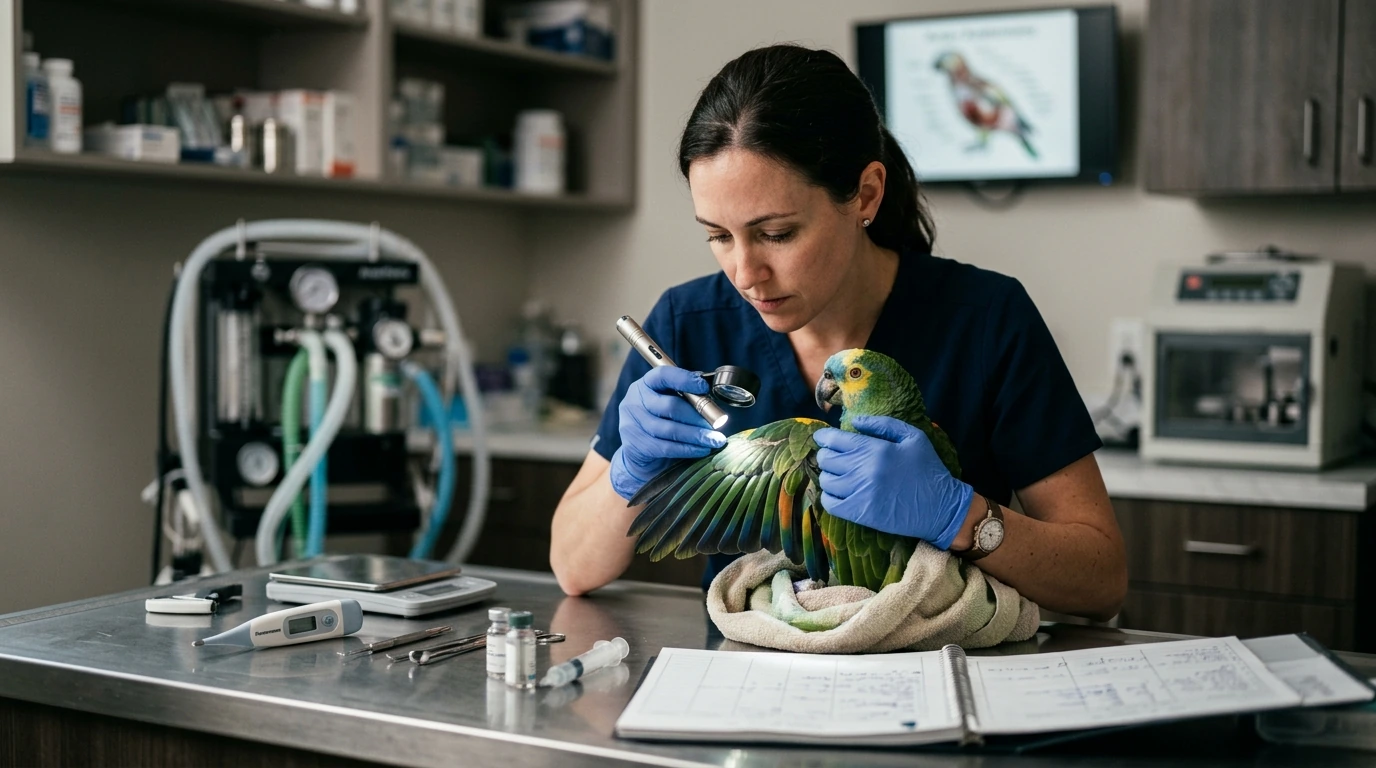
Effective avian breeding health management extends beyond reactive treatment of illness. It requires a proactive partnership between the breeder and the veterinarian. This collaboration is built on open communication, mutual respect, and a shared commitment to the long-term health of the flock.
Fostering a Collaborative Relationship:
- Communication: The veterinarian should be a clear communicator, able to explain complex medical concepts and treatment plans in an understandable manner. They should also be receptive to the breeder's observations and concerns.
- Understanding Breeding Goals: A specialist will take time to understand your specific breeding objectives, whether it's conservation, exhibition, or pet production, and tailor health strategies accordingly.
- Preventative Protocols: This includes developing robust biosecurity measures, vaccination schedules (where applicable), and parasite control programs.
- Nutritional Guidance: Expert advice on species-appropriate diets, especially during critical breeding phases, is invaluable. This often involves detailed analysis of feed components and supplementation.
Comparative Scope: General vs. Specialist Avian Veterinary Services for Breeding
The distinction between a general practitioner and an avian specialist becomes particularly clear when considering comprehensive breeding support. The table below outlines typical service offerings.
| Service Aspect | General Veterinarian (Typical) | Avian Specialist Veterinarian (Breeding Focus) |
|---|---|---|
| Routine Health Checks | Basic physical exams, general health advice. | Comprehensive avian-specific exams, early detection of subtle breeding-related issues. |
| Reproductive Diagnostics | Limited, often requires referral. | Advanced hormone assays, endoscopic sexing, fertility assessments, egg binding management. |
| Flock Health & Biosecurity | General recommendations. | Tailored biosecurity protocols, disease surveillance, outbreak management, quarantine procedures. |
| Nutrition for Breeding | Standard commercial diet advice. | In-depth dietary analysis, custom diet formulation for pre-breeding, laying, and chick growth. |
| Emergency Care | Stabilization, may refer complex avian cases. | Specialized avian emergency protocols, including critical chick care and reproductive emergencies. |

Establishing a Robust Health Monitoring Program
A specialist avian veterinarian will assist in developing a comprehensive health monitoring program tailored to your breeding operation. This program should encompass every stage of the breeding cycle.
Key Program Components:
- Pre-breeding Health Assessments: This involves thorough physical exams, disease screening (e.g., Psittacosis, Polyomavirus, PBFD, Pacheco's Disease), and genetic compatibility checks for potential breeding pairs.
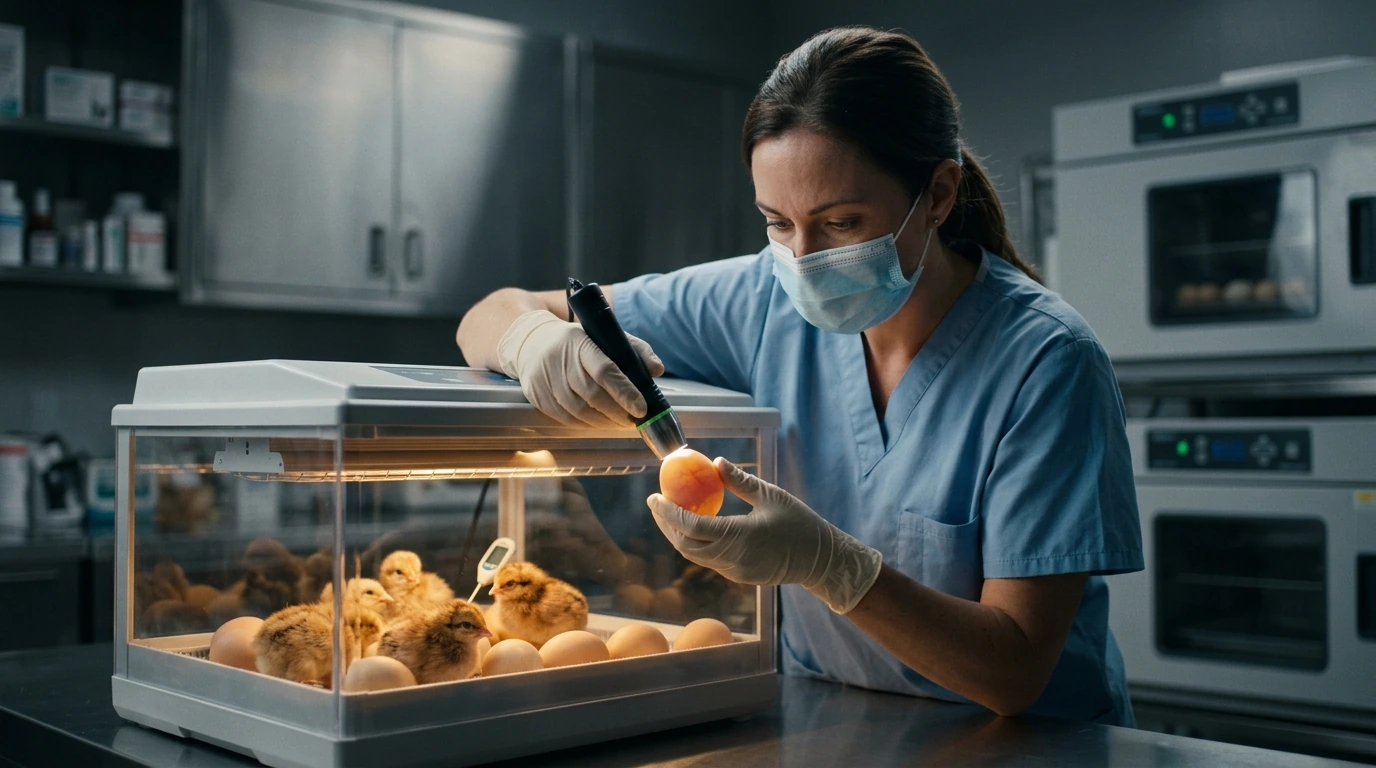
- Incubation and Chick Rearing Support: Guidance on optimal incubation parameters, early chick nutrition, and monitoring for developmental abnormalities. The vet can also provide support for hand-rearing protocols if necessary.
- Disease Surveillance and Prevention: Regular fecal exams, ongoing pathogen monitoring, and strategic testing to detect and prevent the spread of infectious diseases within the flock. This includes establishing protocols for new bird introductions.
- Post-Breeding Evaluation: Assessing the health of parent birds after a breeding cycle and evaluating the success and health of offspring.
- Genetic Counseling: For established breeding lines, a specialist can offer insights into managing genetic diversity and identifying potential hereditary conditions.
The goal is to move from a reactive approach to a proactive, preventative strategy that minimizes health risks and maximizes the potential for healthy, thriving offspring.
Elevating Avian Expertise: A Professional's Guide to Bird Trainer Certification and Insurance →
Conclusion: A Strategic Investment in Avian Breeding Success
Investing in a highly qualified avian specialist veterinarian represents a strategic decision for any serious bird breeding operation. Their unique expertise in avian physiology, disease ecology, and reproductive medicine provides an unparalleled foundation for maintaining flock health, optimizing breeding outcomes, and mitigating significant financial and emotional losses. By carefully selecting a veterinarian with the right credentials, experience, and a collaborative approach, breeders can establish a robust health management system that ensures the long-term vitality and success of their avian endeavors for years to come.
Demikianlah Artikel Optimizing Avian Breeding Success: The Critical Role of a Specialist Veterinarian
Anda sekarang membaca artikel Optimizing Avian Breeding Success: The Critical Role of a Specialist Veterinarian dengan alamat link https://baladgacor.blogspot.com/2026/10/optimizing-avian-breeding-success.html
