Judul : Mastering Export-Grade Hookbill Breeding: Advanced Logistics and Shipping Assurance for Global Markets
link : Mastering Export-Grade Hookbill Breeding: Advanced Logistics and Shipping Assurance for Global Markets
Mastering Export-Grade Hookbill Breeding: Advanced Logistics and Shipping Assurance for Global Markets
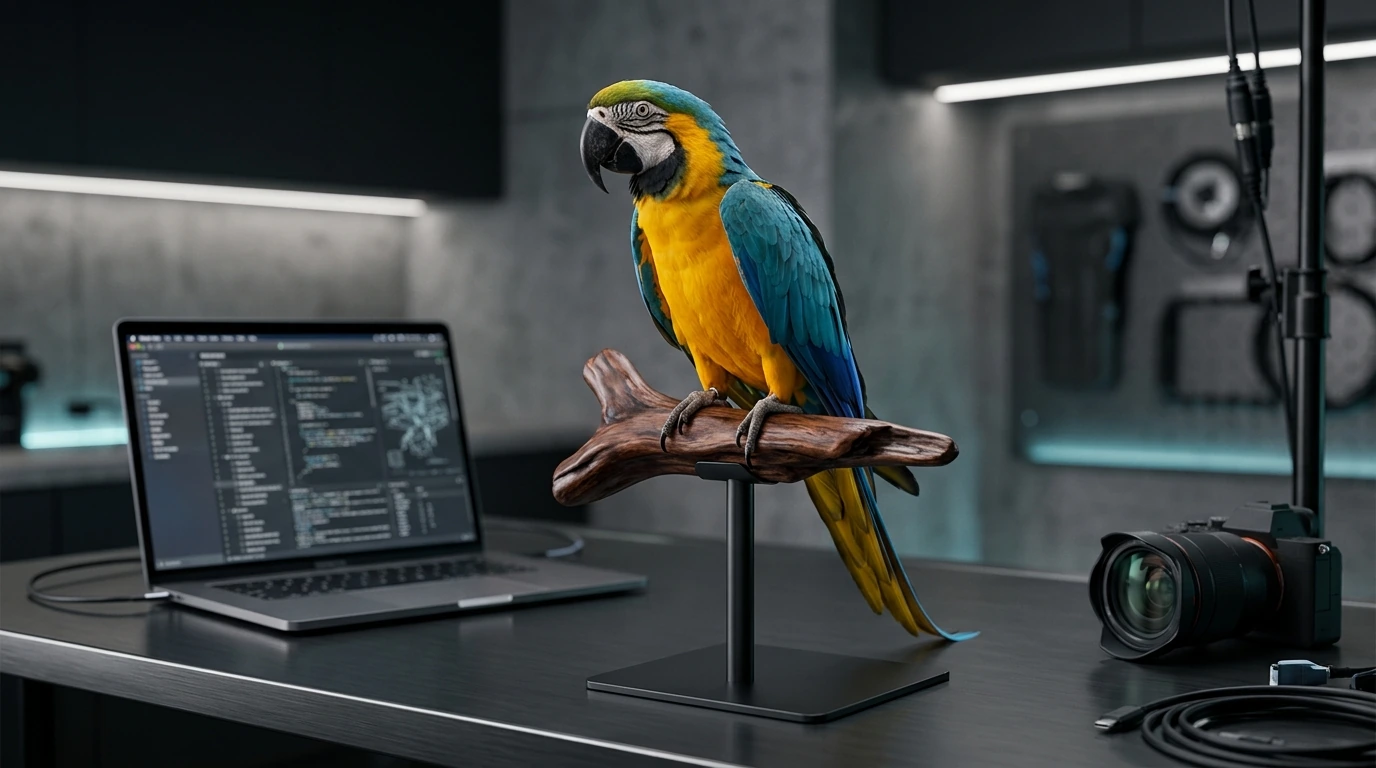
Embarking on the journey of breeding hookbill parrots for the global export market demands an intricate understanding of both avian husbandry and complex international logistics. Success in this specialized field hinges on a meticulous approach to animal welfare, stringent health protocols, and navigating the nuances of global trade regulations. This guide offers a deep dive into optimizing your breeding program for export quality and safeguarding your valuable cargo through comprehensive shipping assurance.
Key Takeaways
- Prioritize genetic health and species-specific nutrition for superior export-grade birds.
- Implement rigorous pre-export quarantine and veterinary certification to meet international standards.
- Utilize IATA-compliant transport crates and optimize environmental controls during transit.
- Secure comprehensive shipping insurance to mitigate financial risks associated with international bird transport.
Cultivating Elite Avian Stock for Global Demand
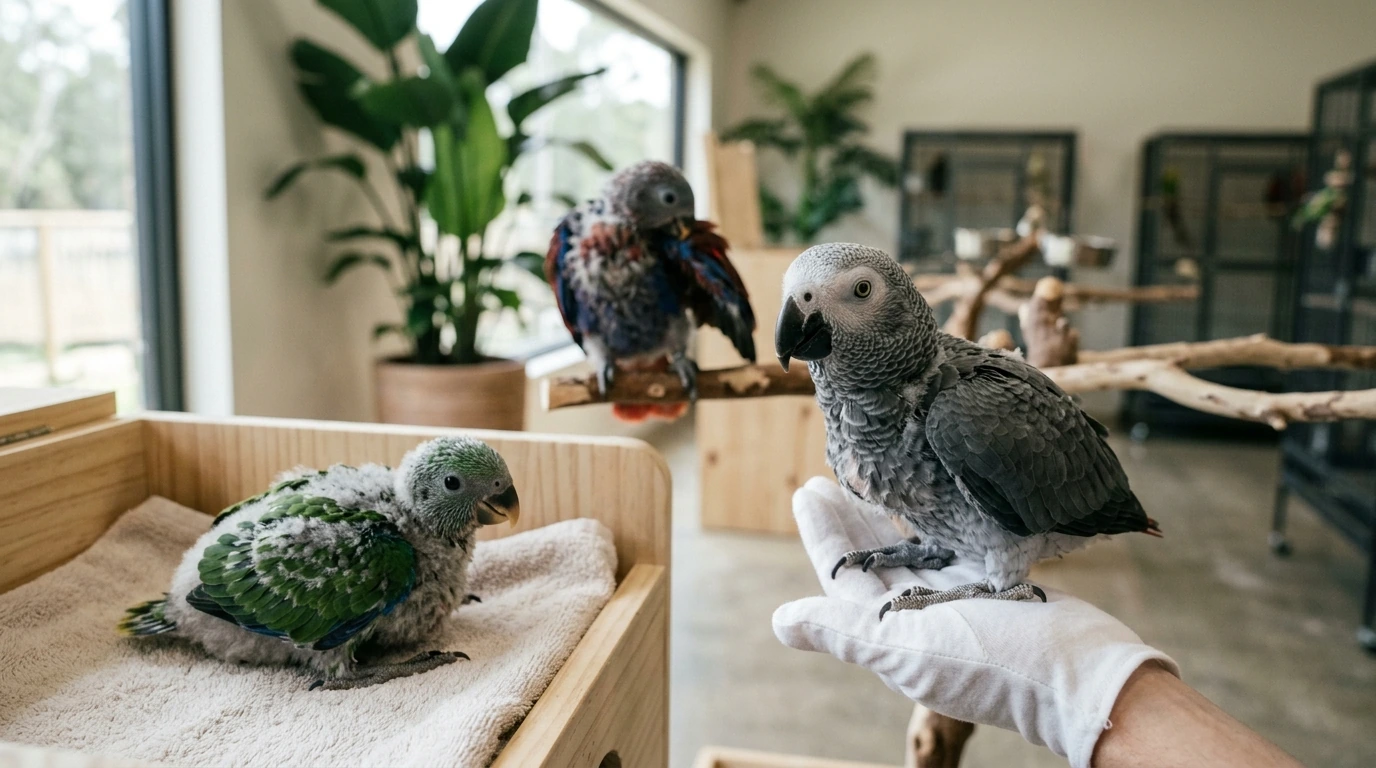
Producing hookbill parrots that meet stringent export standards begins long before shipping. It requires a foundational commitment to genetic integrity, optimal nutrition, and a stress-free environment, all contributing to robust health and desirable characteristics.
- Genetic Lineage & Selective Breeding: Carefully select breeding pairs based on documented health history, temperament, and genetic diversity to avoid inbreeding depression and propagate desirable traits. For instance, focusing on specific color mutations or size consistency, as often requested by international buyers, requires meticulous record-keeping and planned pairings. This proactive approach minimizes the incidence of congenital issues and enhances the overall value of your stock.
- Precision Nutritional Regimens: Tailor diets to the specific species and life stage, utilizing premium pellets, fresh fruits, vegetables, and species-appropriate supplements. For example, a breeding pair of Macaws will have different caloric and nutrient requirements than a clutch of fledgling Cockatiels. Adequate calcium and Vitamin D3 are critical for eggshell quality and chick bone development, directly impacting viability and vigor.
- Environmental Enrichment & Stress Mitigation: A spacious, clean aviary with ample enrichment (toys, perches, foraging opportunities) reduces stress, which directly impacts immune function and reproductive success. Consistent temperatures, appropriate humidity levels, and a stable light cycle (e.g., 12-14 hours of light for breeding) are essential for physiological well-being, as reported by avian husbandry guidelines.
Rigorous Pre-Shipment Health & Documentation Protocols
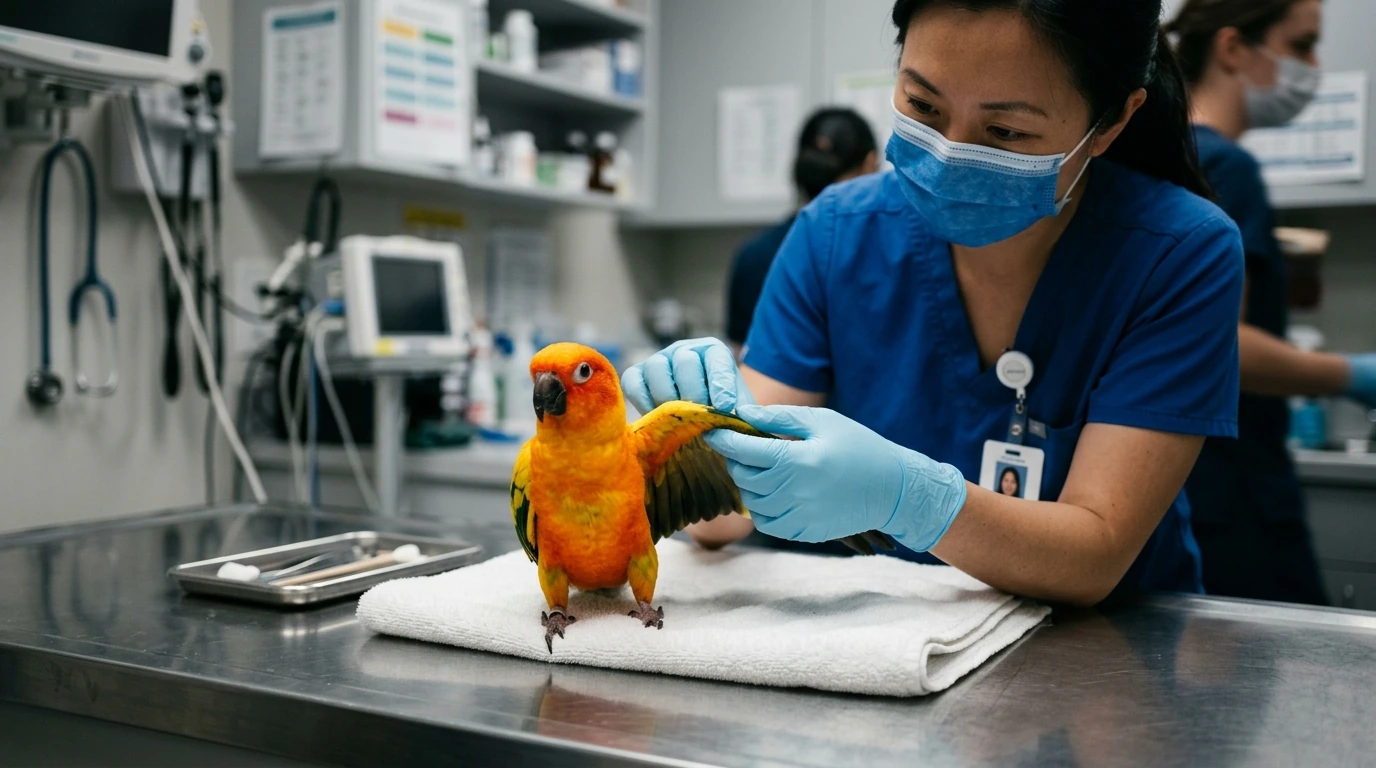
Preparing birds for international transit involves a series of critical health checks and documentation steps to ensure compliance with importing country regulations and the well-being of the birds.
- Mandatory Quarantine Periods: Isolate birds designated for export for a minimum of 30-60 days, separate from your main flock. This prevents the spread of potential pathogens and allows for close observation for any signs of illness. Many importing nations stipulate specific quarantine durations and testing requirements.
- Comprehensive Veterinary Examinations: A certified avian veterinarian must conduct thorough health checks, including fecal analysis, blood work (e.g., for Psittacine Beak and Feather Disease, Polyomavirus), and pathogen screening relevant to the destination country's import requirements. All findings must be documented on official health certificates.
- CITES Permitting & Export Licenses: For species listed under the Convention on International Trade in Endangered Species of Wild Fauna and Flora (CITES), obtaining both export and import permits is mandatory. This process can be lengthy, often requiring several months, and necessitates detailed paperwork proving legal origin. Failure to secure these permits can result in severe penalties and confiscation.
Optimizing Transport Logistics and Crate Design
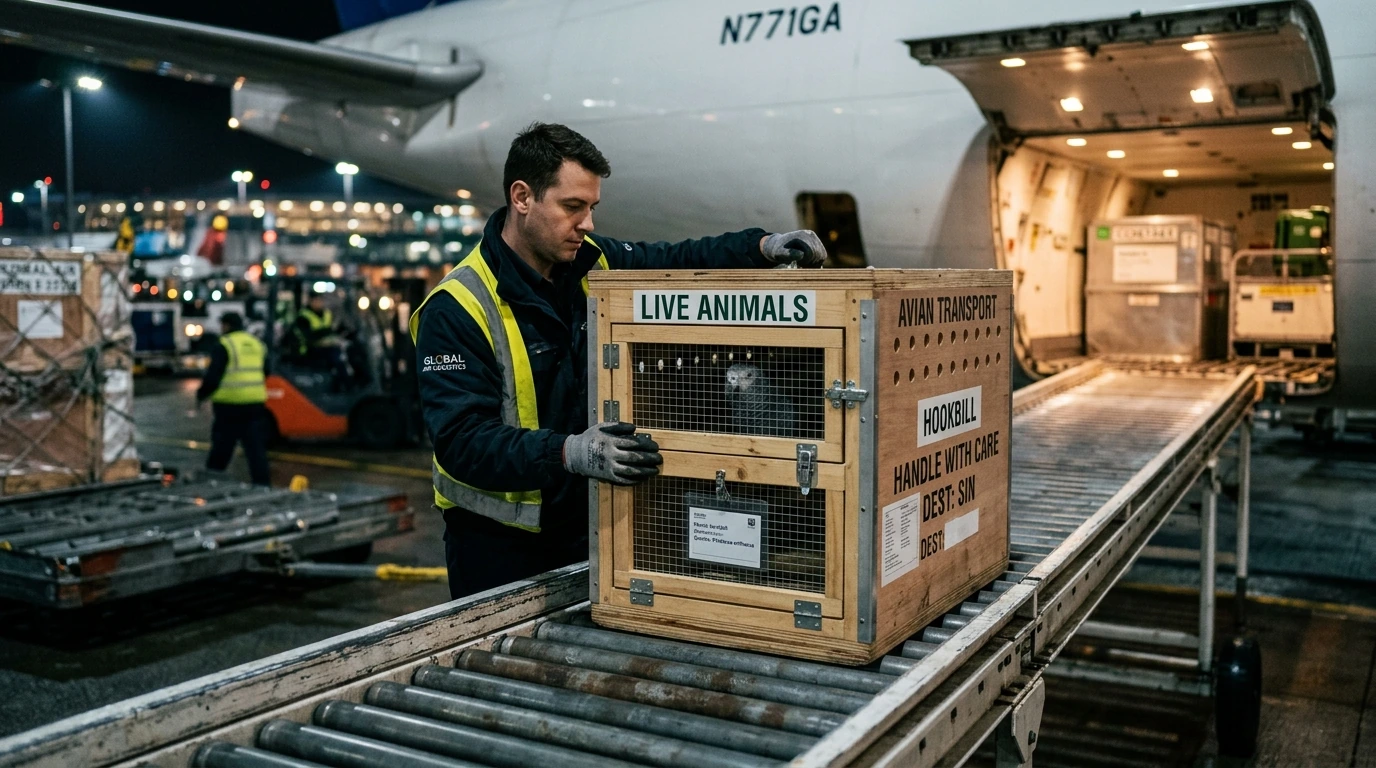
The physical journey for an exported bird is arguably the most stressful component. Strategic planning for transport logistics and choosing appropriate crating can significantly reduce risk.
- IATA-Compliant Crating: Utilize International Air Transport Association (IATA) approved live animal containers. These crates are designed with specific dimensions, ventilation, and security features to ensure the bird's safety and comfort. For example, the crate must be large enough for the bird to stand, turn around, and extend its wings naturally, but not so large that it allows excessive movement during turbulence.
- Environmental Control & Acclimation: Work with airlines and cargo handlers experienced in live animal transport to ensure temperature-controlled environments throughout the journey. Consider acclimating birds to the transport crate for short periods prior to departure to minimize stress. Providing appropriate food and water access within the crate, often via external dispensers, is also crucial.
- Direct Routes & Minimized Layovers: Whenever possible, opt for direct flights or routes with the fewest and shortest layovers. Each transfer point increases stress and the risk of mishandling or exposure to adverse conditions. Confirm the availability of animal welfare facilities at transit hubs if layovers are unavoidable.
The Imperative of Comprehensive Shipping Insurance
Even with the most rigorous planning, unforeseen events can occur during international transport. Comprehensive shipping insurance is not merely a safeguard; it's an essential component of responsible export.
- "All Risks" Coverage: Seek policies offering "all risks" coverage for live animals, which typically covers loss, injury, or death due to accidents, temperature extremes, delays, or other perils during transit. Standard cargo insurance often excludes live animals or has significant limitations.
- Valuation & Specific Clauses: Ensure the declared value of your birds accurately reflects their market price and breeding potential. Pay close attention to clauses regarding veterinary care during transit, mortality definitions, and claims procedures. Some policies may require a veterinarian's report within a specific timeframe upon arrival.
- Broker Specialization: Work with insurance brokers who specialize in live animal transport. They possess the expertise to navigate complex policy language and can help tailor coverage to your specific needs, considering factors like species, destination, and transport method.

Rapid Efficiency Recap for Export Success
To summarize, successful export of hookbill parrots is a multi-faceted endeavor requiring precision at every stage:
- Breed for Excellence: Focus on robust genetics, tailored nutrition, and a low-stress environment.
- Vet-Certified Health: Implement strict quarantine and thorough veterinary health checks.
- Document Diligently: Secure all necessary CITES permits and export/import licenses early.
- Optimize Transit: Use IATA-compliant crating, choose direct routes, and ensure climate control.
- Insure Prudently: Obtain "all risks" live animal insurance from a specialist broker.
Frequently Asked Questions
Q: How long does it typically take to acquire CITES permits?
A: The processing time for CITES permits can vary significantly by country and species, often ranging from 2 to 6 months. It is advisable to initiate the application process as soon as export plans are solidified.
Q: What is the most common reason for export delays or rejections?
A: Non-compliance with the importing country's specific health requirements or incomplete/incorrect documentation, especially CITES permits, are frequently cited reasons for delays or rejection at customs.
Q: Can I ship multiple birds in one crate?
A: While some smaller, compatible species may be permitted to travel together in a sufficiently sized IATA-compliant crate, regulations often require individual crating for larger or more territorial species to prevent injury and stress during transit. Always verify airline and destination country rules.
Q: Is it possible to export to every country?
A: No. Many countries have strict import bans or highly restrictive regulations for certain avian species, often due to concerns about disease transmission or conservation status. Always research destination country regulations thoroughly before planning an export.
Demikianlah Artikel Mastering Export-Grade Hookbill Breeding: Advanced Logistics and Shipping Assurance for Global Markets
Anda sekarang membaca artikel Mastering Export-Grade Hookbill Breeding: Advanced Logistics and Shipping Assurance for Global Markets dengan alamat link https://baladgacor.blogspot.com/2026/10/mastering-export-grade-hookbill.html