
Judul : Strategi Sanitasi Kandang Burung: Memitigasi Risiko Wabah Penyakit dalam Budidaya Avian
link : Strategi Sanitasi Kandang Burung: Memitigasi Risiko Wabah Penyakit dalam Budidaya Avian
Strategi Sanitasi Kandang Burung: Memitigasi Risiko Wabah Penyakit dalam Budidaya Avian
The faint, metallic tang of disinfectant hung in the air, a familiar scent signaling the start of another critical sanitation cycle. Every surface, every feeder, every waterer demanded attention, a relentless pursuit of sterility that defines successful avian breeding operations.
Key Takeaways
- Proactive sanitation is the bedrock of disease prevention in avian breeding.
- Selecting the right disinfectants and applying them correctly is paramount for efficacy.
- Quarantine and biosecurity protocols are essential layers of defense against pathogen introduction.
- Consistent monitoring and record-keeping empower early intervention and adaptation.
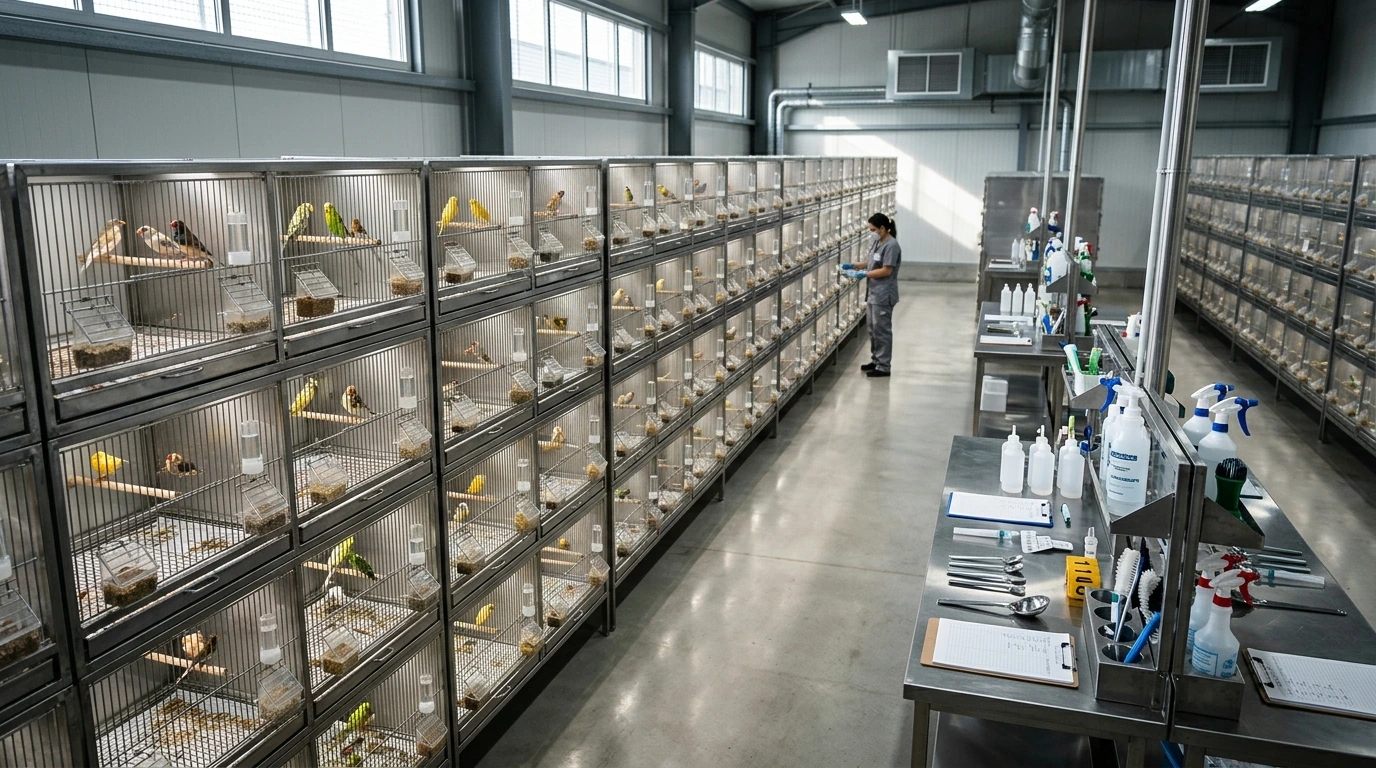
Fundamental Pillars of Avian Facility Hygiene
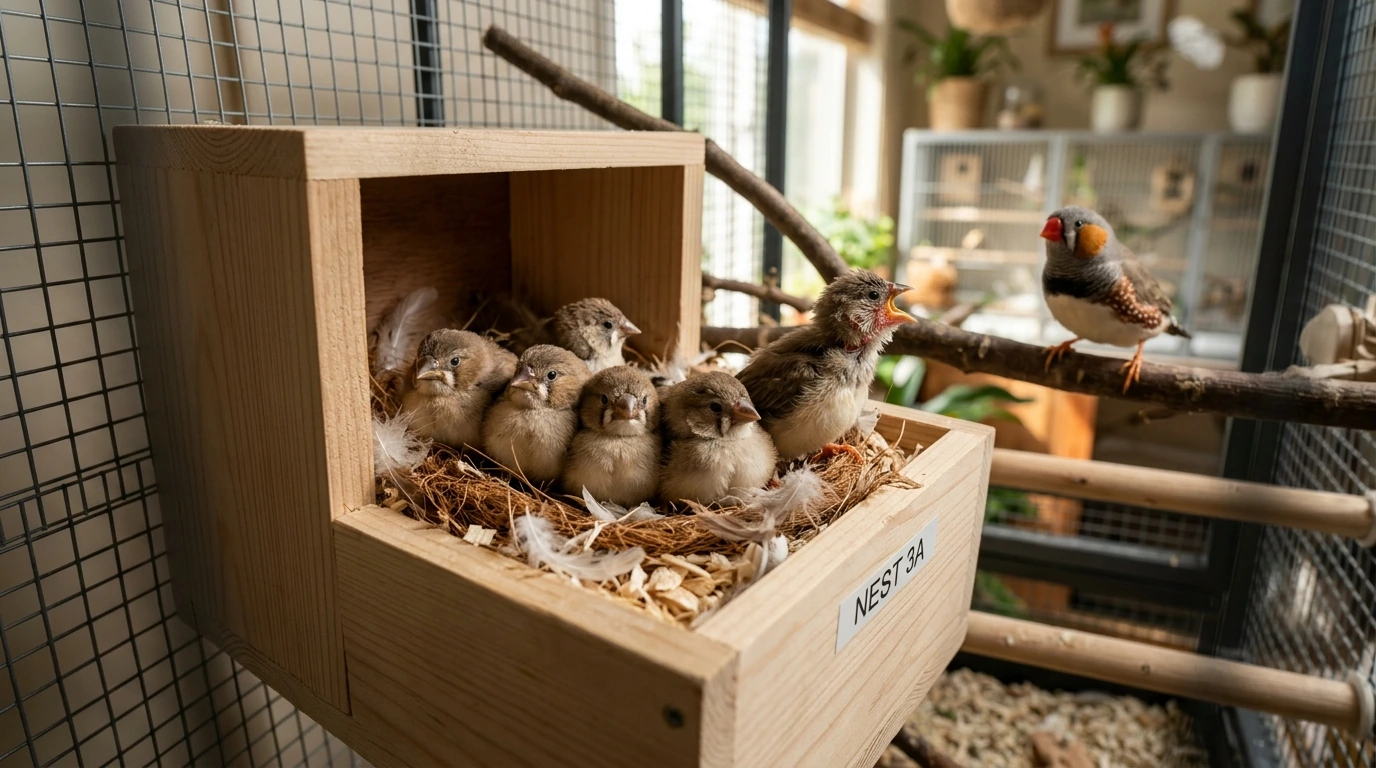
Maintaining a clean environment goes far beyond mere aesthetics; it directly impacts the health and productivity of your flock. Regular removal of waste, uneaten food, and soiled bedding forms the first line of defense against bacterial, viral, and fungal proliferation. Daily spot cleaning, coupled with weekly deep cleaning, establishes a baseline of hygiene that significantly reduces pathogen load.
Consider the structural elements of your cages. Smooth, non-porous materials like stainless steel or certain plastics are inherently easier to clean and disinfect than wood, which can harbor pathogens within its grain. Designing cages with removable trays and grates further streamlines the cleaning process, allowing for thorough scrubbing and disinfection outside the main enclosure.
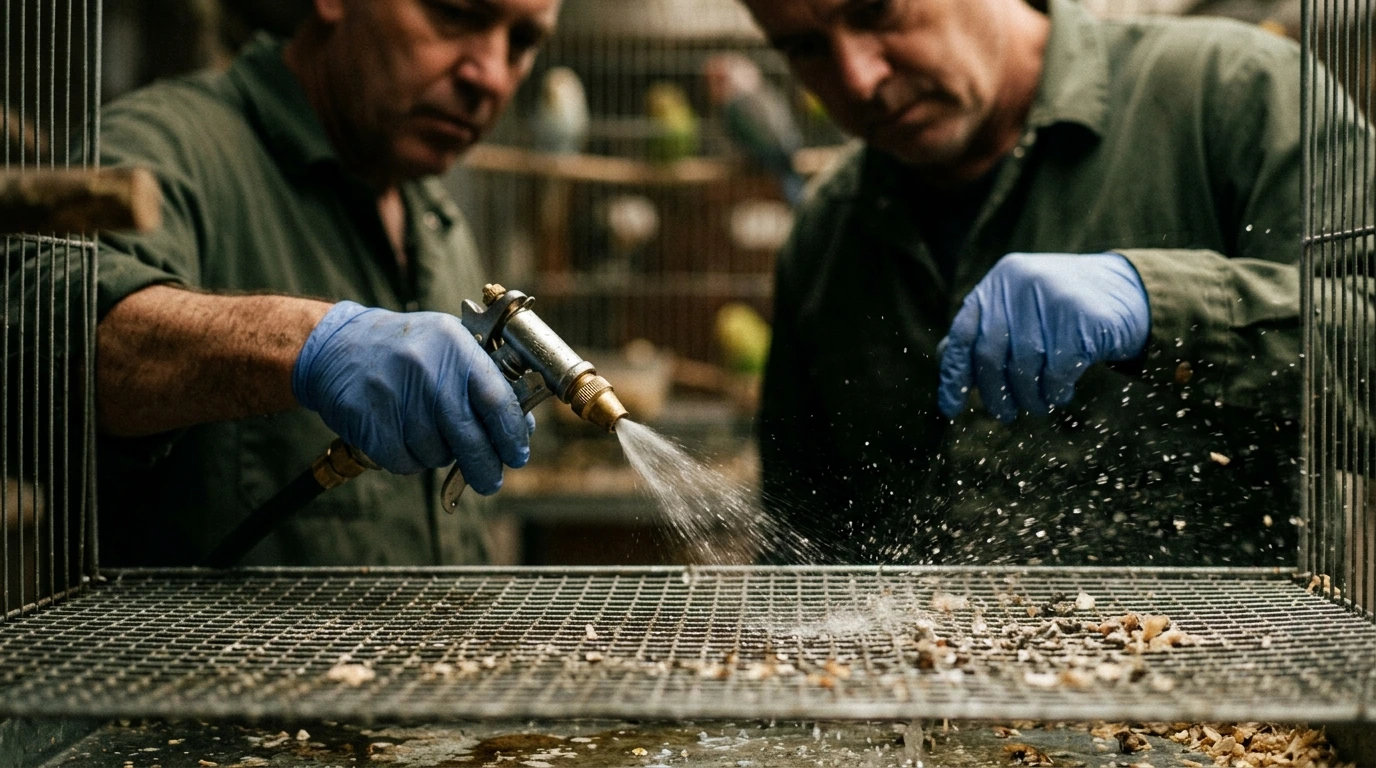
Disinfeksi Efektif: Memilih dan Mengaplikasikan Agen yang Tepat
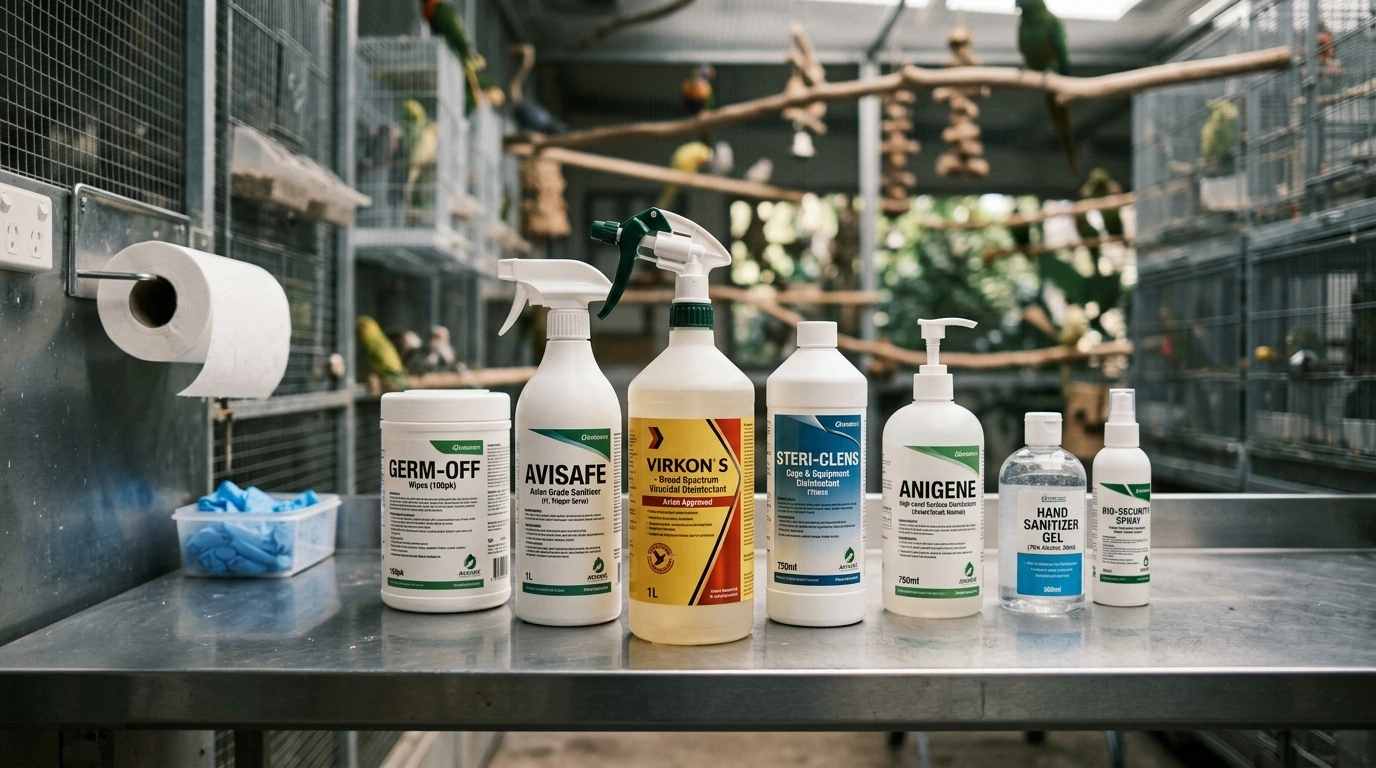
Choosing the correct disinfectant is as crucial as the act of cleaning itself. Different pathogens respond to different chemical agents. Broad-spectrum disinfectants, often phenolic or quaternary ammonium compounds, are generally recommended for avian facilities due to their efficacy against a wide range of bacteria, viruses, and fungi.
Always adhere strictly to manufacturer specifications for dilution ratios and contact times. An improperly diluted disinfectant, whether too weak or too strong, can be ineffective or even harmful. Rotating between two or more different classes of disinfectants periodically can help prevent the development of resistance in certain microorganisms. Ensure the area is well-ventilated during application, and allow surfaces to dry completely before reintroducing birds.
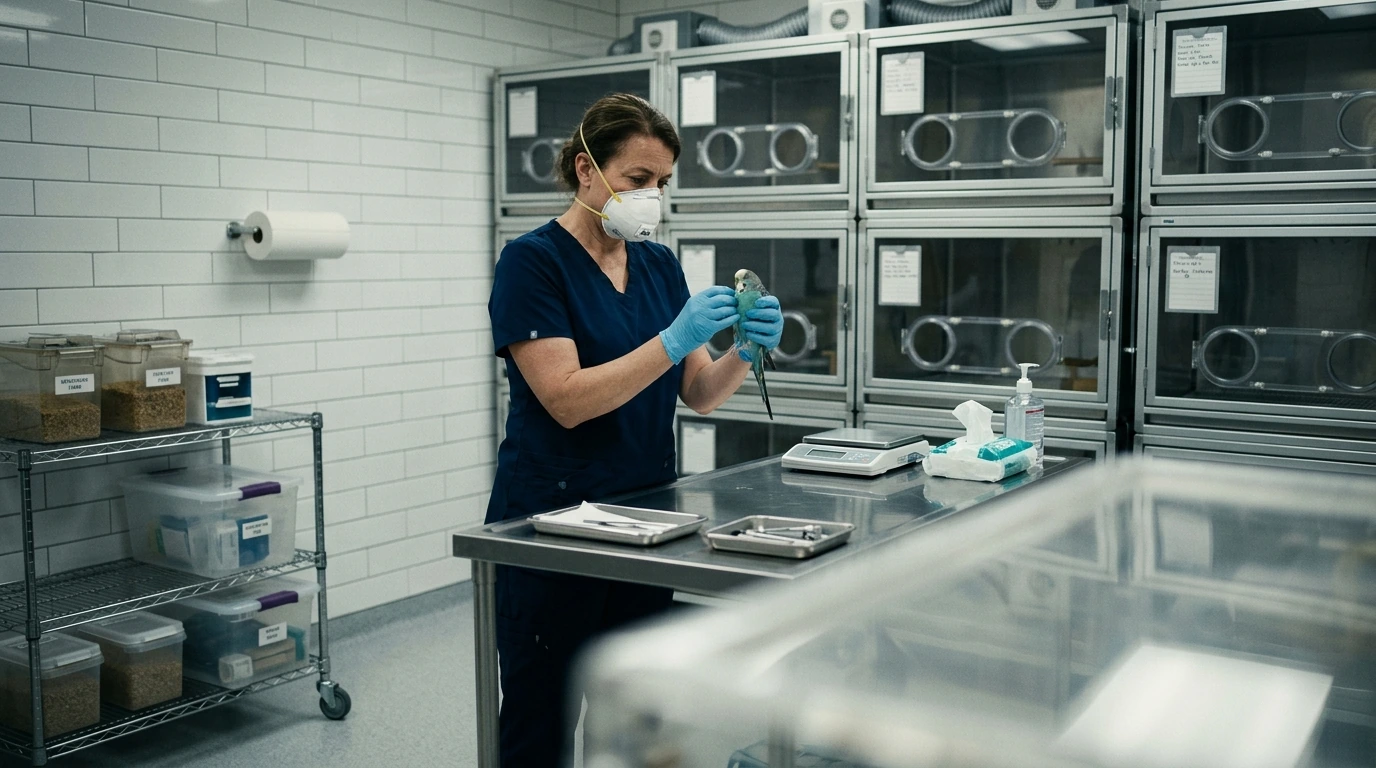
Protokol Karantina dan Biosekuriti: Gerbang Pertahanan Utama
The introduction of new birds poses the single greatest risk for disease introduction into an established flock. A dedicated quarantine area, physically separate from the main breeding facility, is non-negotiable. New arrivals should undergo a minimum 30-day quarantine period, ideally longer, during which they are observed for any signs of illness and potentially tested for common avian diseases relevant to your region and species.
Biosecurity extends beyond new birds. Implement strict protocols for visitors, requiring them to wear protective footwear covers or dedicated facility shoes, and to wash hands thoroughly. Designate specific clothing for use only within the breeding area. Tools and equipment should be sanitized after each use and ideally not shared between different sections of the facility without proper disinfection.
Menghindari Kesalahan Umum dalam Praktik Sanitasi
Even with the best intentions, common missteps can compromise sanitation efforts. One prevalent error is cleaning visibly dirty surfaces directly with disinfectant. Disinfectants are designed to kill microorganisms on already clean surfaces; organic matter like feces or food debris can neutralize their efficacy. Always clean first, then disinfect.
Another frequent oversight involves neglecting hidden crevices, corners, and the undersides of equipment. Pathogens can thrive in these overlooked spots, becoming reservoirs for re-contamination. Ensure all parts of cages, feeders, and waterers are accessible and thoroughly cleaned. Furthermore, using the same cleaning tools for sick birds and healthy birds without proper sterilization is a direct pathway for disease transmission.
Pemantauan Berkelanjutan dan Adaptasi Strategi
Effective sanitation is not a static process; it requires constant vigilance and a willingness to adapt. Maintain detailed records of cleaning schedules, disinfectant usage, and any observed health issues within your flock. These records are invaluable for identifying patterns, assessing the effectiveness of your protocols, and making informed adjustments.
Regularly review and update your sanitation protocols based on new information, changes in your flock, or any emerging disease threats. Environmental monitoring, such as periodic swab testing for specific pathogens, can provide objective data on the cleanliness of your facility. Investing in staff training and ensuring everyone understands the critical role they play in maintaining hygiene will reinforce your biosecurity measures.
Pertanyaan yang Sering Diajukan (FAQ)
- Q: How often should breeding cages be fully disinfected?
- A: While daily spot cleaning is essential, a full disinfection of breeding cages should occur at least weekly, or more frequently if there are signs of illness or after a breeding cycle concludes.
- Q: What are the key differences between cleaning, sanitizing, and disinfecting?
- A: Cleaning physically removes dirt and organic matter. Sanitizing reduces the number of microorganisms to a safe level. Disinfecting kills nearly all pathogenic microorganisms on a surface, but does not necessarily clean it.
- Q: Is natural ventilation sufficient, or do I need specialized air filtration?
- A: Good natural ventilation is beneficial, but specialized air filtration systems (like HEPA filters) can significantly reduce airborne pathogens, dust, and dander, especially in high-density breeding operations or areas with specific disease concerns.
- Q: How can I safely dispose of contaminated bedding and waste?
- A: Contaminated bedding and waste should be securely bagged and disposed of according to local regulations. Incineration or deep burial are often preferred methods to prevent environmental spread of pathogens. Never compost or spread waste from sick birds.
Protecting your avian investment begins with an unwavering commitment to sanitation. By integrating these robust protocols, you not only safeguard your birds from debilitating outbreaks but also ensure the long-term viability and ethical integrity of your breeding program.


