
Strategic Financial Pillars: Insurance and Bank Capital for Exotic Bird Breeding
The unexpected power outage had already cost you a day's incubation cycle, threatening a clutch of high-value Hyacinth Macaw eggs, and now the vet bill for a sudden outbreak of Psittacine Beak and Feather Disease (PBFD) in a separate aviary is imminent.
Key Takeaways
- Proactive Risk Identification: Systematically assess biological, environmental, and market risks specific to exotic bird breeding.
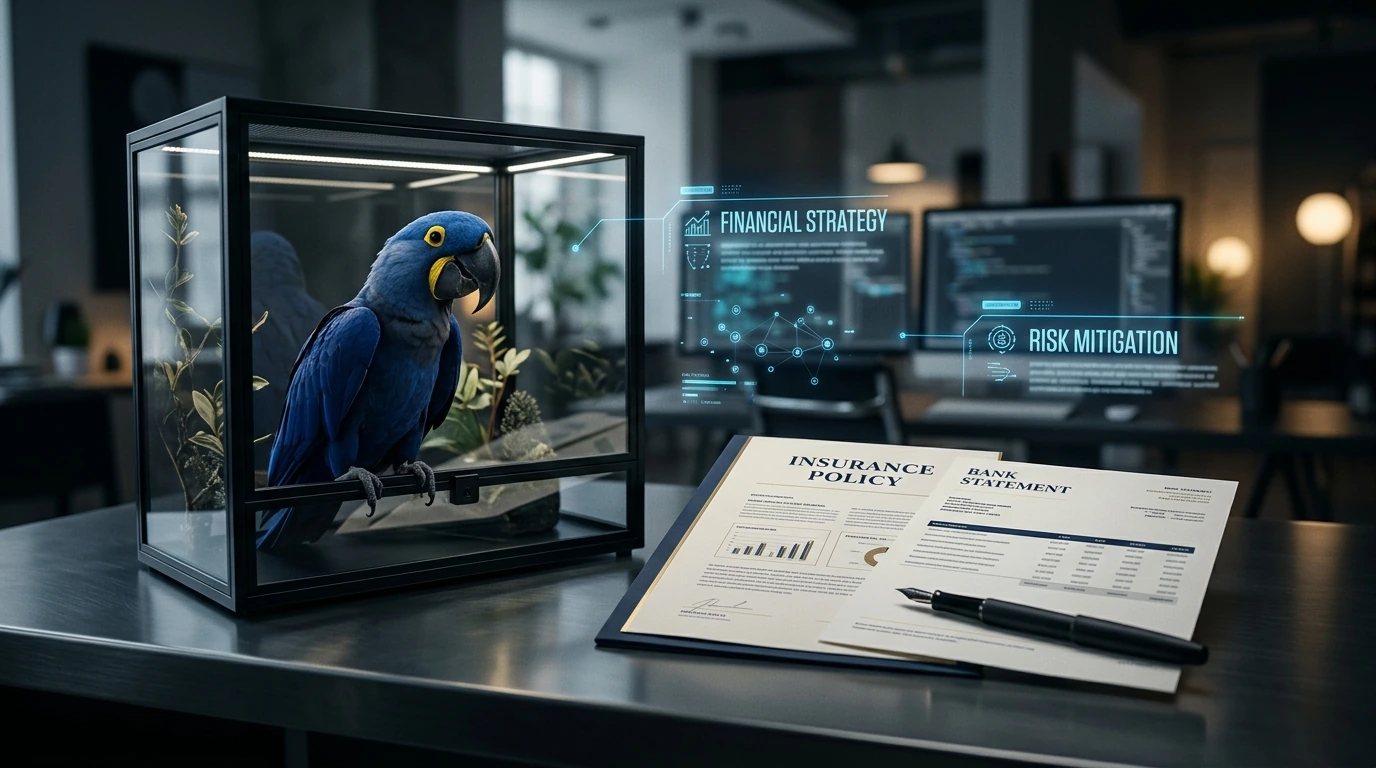
- Tailored Insurance Solutions: Investigate policies covering livestock mortality, property damage, liability, and business interruption, adjusting coverage to species value.
- Robust Business Planning: Develop comprehensive financial projections and a detailed operational strategy to present a compelling case for bank financing.
- Strategic Capital Utilization: Employ bank loans not just for initial setup but for scaling, technology upgrades, and robust contingency planning.
Evaluating Vulnerabilities in Avian Breeding Operations
Understanding the inherent risks within an exotic bird breeding enterprise forms the bedrock of sound financial planning. These operations face a unique confluence of biological, environmental, and market-driven challenges. Biological risks include disease outbreaks, genetic issues, and unexpected mortality, particularly concerning high-value species where a single loss can significantly impact profitability. Environmental factors, such as extreme weather, power failures affecting incubators or climate control, and facility damage, present another layer of vulnerability. Market risks, while less immediate, involve fluctuations in demand for specific species, changes in import/export regulations, or shifts in consumer preferences.
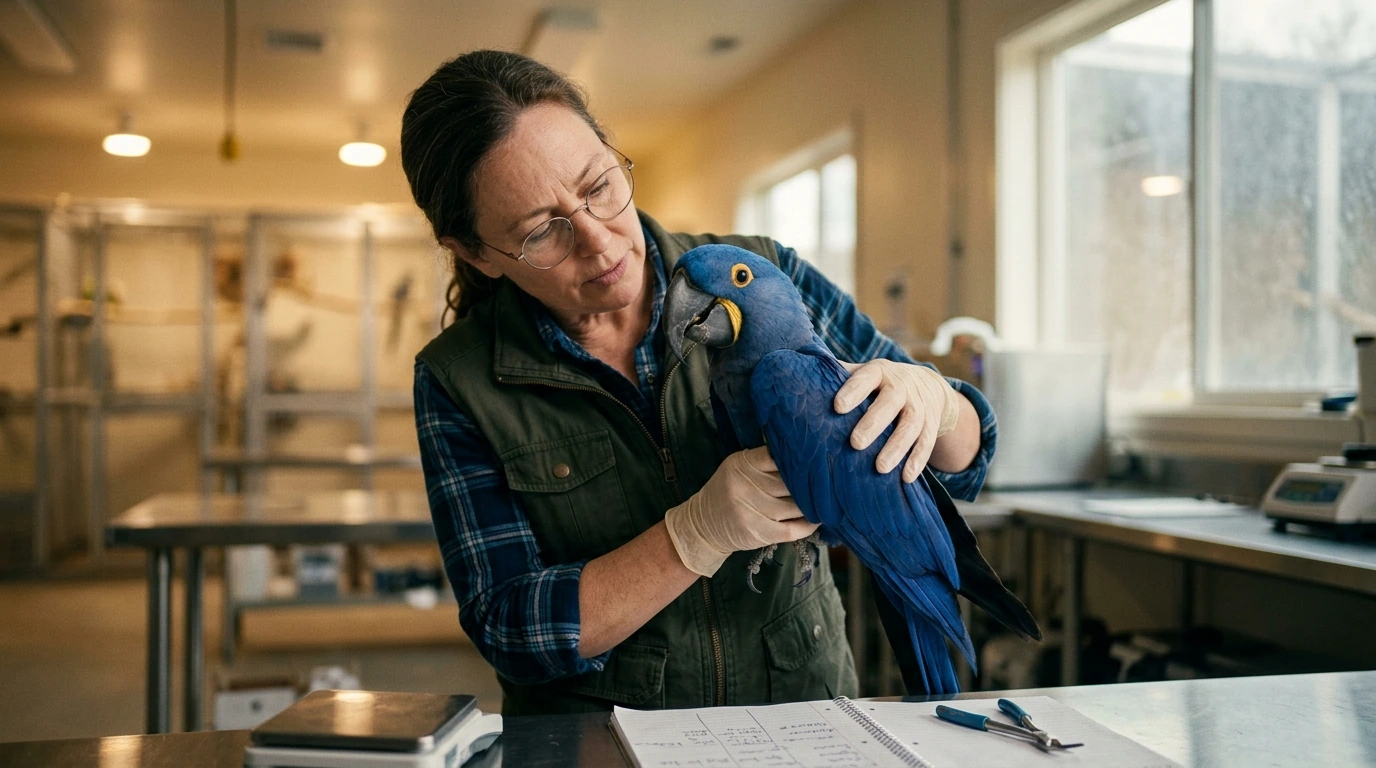
A thorough risk audit should involve categorizing potential threats by their likelihood and potential financial impact. For instance, a PBFD outbreak carries a high impact due to its rapid spread and lethality, while a minor equipment malfunction might have a lower, localized impact. Documenting these scenarios allows for the development of preventative protocols and informs appropriate insurance coverage levels. Neglecting this crucial step often leads to underinsurance or inadequate contingency funds, leaving businesses exposed to catastrophic losses.
Crafting a Comprehensive Avian Insurance Portfolio
Securing suitable insurance for an exotic bird breeding business requires a nuanced approach, moving beyond standard commercial policies. Specialized avian livestock insurance, for example, offers protection against mortality due to disease, accident, or theft. Policy specifics can vary significantly; some plans cover individual birds above a certain valuation threshold, while others offer blanket coverage for a flock. It is widely reported that premiums are often calculated based on species value, age, and the overall health protocols of the facility.
Beyond livestock, consider property insurance for aviaries, incubators, and medical equipment, ensuring coverage extends to perils like fire, theft, and natural disasters. Business interruption insurance can provide financial relief during unforeseen closures or operational disruptions, such as a prolonged power outage or a quarantine order. Liability insurance is also critical, protecting against claims arising from visitor injury or property damage. When evaluating policies, scrutinize exclusions and coverage limits. For instance, some policies might exclude specific diseases or natural disasters, or impose a maximum payout per bird that might not cover exceptionally rare specimens. Engaging with brokers specializing in agricultural or exotic animal insurance can streamline the process of finding tailored solutions.

Navigating Bank Financing for Avian Enterprises
Accessing bank capital for an exotic bird breeding operation demands a meticulously prepared business plan. Lenders seek assurance of profitability, operational stability, and a clear repayment strategy. Your business plan should detail:
- Executive Summary: A concise overview of your business, its goals, and financial needs.
- Company Description: Legal structure, history, and mission.
- Market Analysis: Target market, competition, and demand for specific bird species.
- Organization & Management: Team expertise, operational structure.
- Service or Product Line: Detailed description of species bred, sales channels, and value proposition.
- Marketing & Sales Strategy: How you will attract and retain customers.
- Financial Projections: Crucially, three to five years of projected income statements, balance sheets, and cash flow statements. These must be realistic and supported by market research.
- Funding Request: A clear outline of how much capital is needed and precisely how it will be utilized (e.g., facility expansion, breeding stock acquisition, equipment upgrades).
Banks typically evaluate collateral, borrower creditworthiness, and the overall viability of the business model. While some agricultural loans might exist, exotic bird breeding may fall under general small business lending. Be prepared to discuss your experience, the value of your breeding stock, and any existing assets that can serve as collateral. A common mistake is presenting overly optimistic projections without sufficient data, which can undermine credibility with lenders.

Sustaining Growth Through Prudent Financial Stewardship
Beyond initial capital acquisition and insurance procurement, ongoing financial stewardship is paramount for long-term success. Regular financial reviews, at least quarterly, are essential to track performance against projections, identify cash flow issues, and adjust strategies as needed. This includes monitoring key metrics such as breeding success rates, cost per chick, and average sales price per species.
Allocate a portion of profits for reinvestment into facility upgrades, genetic diversification of breeding stock, or advanced veterinary care, rather than solely focusing on immediate returns. Establishing an emergency fund, separate from operational capital, provides a buffer against unexpected events not fully covered by insurance, such as a sudden market downturn or a protracted illness requiring specialized care. Furthermore, cultivating a strong relationship with your banking institution can open doors for future financing needs, such as expansion loans or lines of credit, based on a proven track record of responsible financial management.
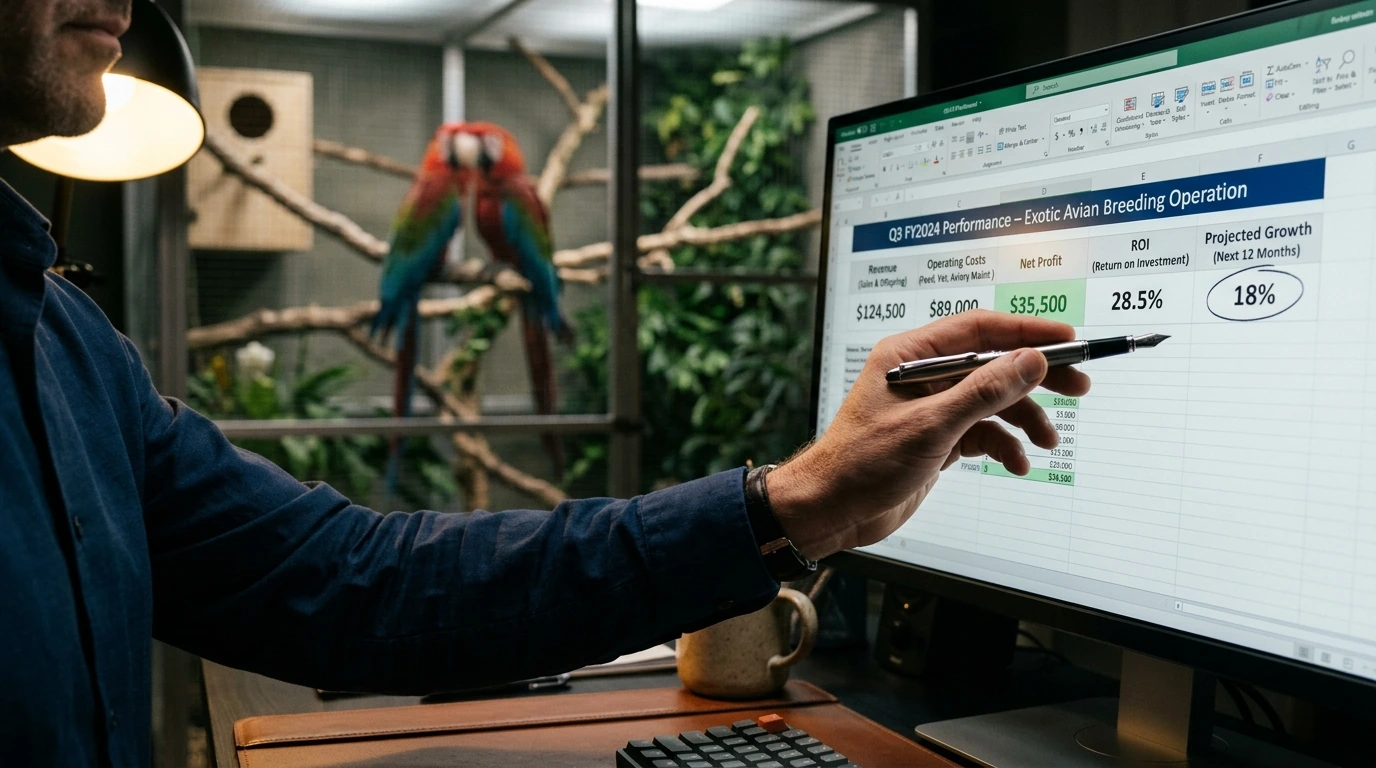
The journey of building a thriving exotic bird breeding business in 2026 requires more than avian expertise; it demands a sophisticated understanding of financial risk and opportunity. By proactively assessing vulnerabilities, securing tailored insurance, and meticulously planning for bank capital, breeders can establish a resilient foundation. Continuous financial oversight and strategic reinvestment will then ensure not just survival, but sustained growth and profitability in this specialized and rewarding sector.